
When aiming for academic success, the journey often begins with a clear vision. What if you could visualize your goals in a way that keeps you motivated every day? Vision boards not only serve as creative outlets but also as powerful tools that empower students to clarify and achieve their aspirations. Here’s what you’ll discover about the transformative power of vision boards!
What You Will Learn
- Vision boards help students visualize their goals and serve as daily reminders of their aspirations.
- Creating a vision board can clarify academic, personal, and career objectives through engaging reflection.
- Visualization techniques enhance motivation, focus, and reduce anxiety, supporting student success.
- Aligning vision boards with the SMART criteria ensures that goals are clear and achievable.
- Incorporating positive psychology into vision boards can boost students’ confidence and celebrate their achievements.
- Effective counseling toolkits enhance student support and facilitate goal-setting and progress tracking.
Key Elements for Student Success & Counselor Toolkit
This visual outlines the crucial components of student success through vision boards and the essential items for a comprehensive counselor toolkit, highlighting how each element supports academic and personal growth.
Vision Board Benefits for Students
- ✓ Clarifies goals across academics, personal growth, and careers.
- ✓ Increases confidence and reduces anxiety through visualization.
- ✓ Aligns with SMART criteria for effective goal-setting.
Counselor Toolkit Essentials
- ★ Goal-Setting Templates & Visualization Tools.
- ★ Resource Lists (academic, mental health, activities).
- ★ Progress Tracking Charts & Assessment Tools.
Engagement & Ownership Strategies
- ✓ Facilitate 'One Word Project' for personal focus.
- ✓ Share success stories & testimonials to inspire.
- ✓ Conduct workshops (Goal-Setting, Mindfulness, Team-Building).
Progress Tracking & Follow-Up
- ★ Encourage progress journals for documentation.
- ★ Schedule regular check-ins to discuss progress.
- ★ Utilize feedback forms for self-assessment and improvement.
Understanding the Role of Vision Boards in Student Success
As we navigate through the exciting yet challenging academic landscape, vision boards can serve as powerful tools that help students visualize their goals and aspirations. A vision board is a visual representation of one's dreams and objectives, crafted using images, quotes, and symbols that resonate personally with the student. At StudyGuideBlog, we believe in empowering students to embrace their potential, and vision boards are a fantastic way to make dreams tangible!
Creating a vision board is not merely an artistic endeavor; it is about setting intentions and fostering motivation. These boards can help students clarify their goals, whether they relate to academics, personal growth, or future careers. Have you ever thought about what you truly want to achieve? This exercise can be an enlightening starting point in the journey toward success!
What is a Vision Board for Students?
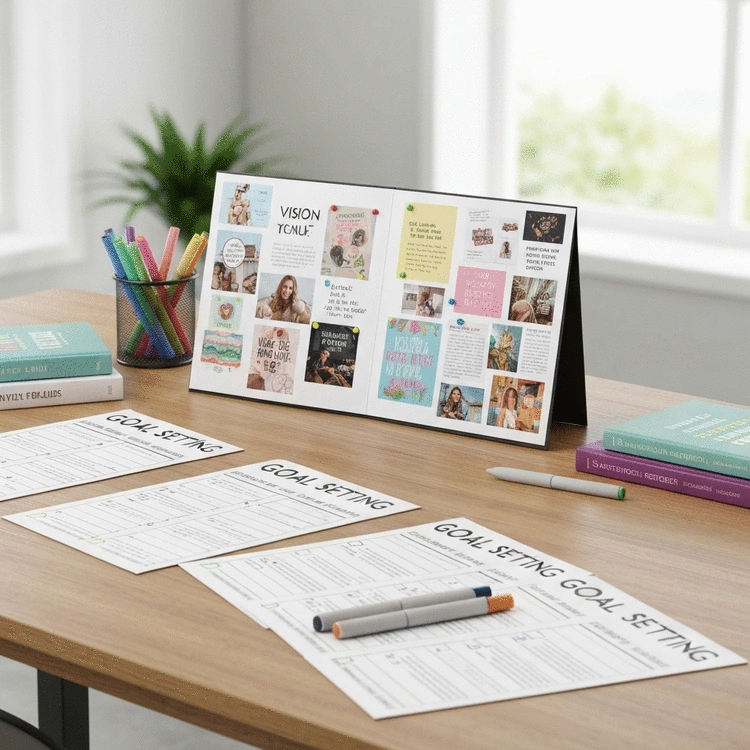
A vision board for students is a collage that encapsulates their aspirations and objectives. It typically includes images, words, and quotes that inspire and motivate. In our workshops at StudyGuideBlog, we encourage students to reflect on their academic and personal goals and to choose visuals that resonate with their journey. This creative process not only makes goals more vivid but also provides a daily reminder of what they are working towards. For a complete guide to building a student vision board, you can refer to resources like Californiaops.org's guide.
- Images that represent academic achievements, like diplomas or books
- Quotes that resonate with their personal values and ambitions
- Symbols of extracurricular activities they wish to pursue
- Visuals of colleges or careers they aspire to
Ultimately, a vision board serves as a motivational tool, keeping students focused on their ambitions. The act of creating this board can itself be a transformative experience, allowing students to take a step back and envision their future.
The Psychological Benefits of Visualization
Visualization is a proven psychological technique that can significantly enhance student success. By using vision boards, students engage in a form of mental imagery that activates their motivation and focus. Research shows that when we visualize our goals, we create a mental roadmap that can guide our actions and decisions.
In my experience as an academic coach, I’ve seen students who incorporate visualization into their study habits experience increased confidence and reduced anxiety. This powerful psychological practice not only clarifies what they want to achieve but also helps them embody the feelings associated with achieving those goals!
How Vision Boards Tie into Goal-Setting Frameworks
Vision boards are more than just pretty collages; they align closely with effective goal-setting frameworks, such as the SMART criteria (Specific, Measurable, Achievable, Relevant, Time-bound). By creating a vision board, students can visually map out their objectives while ensuring they adhere to these vital elements of goal-setting.
- Specific: Clearly depicting individual goals on the board.
- Measurable: Incorporating markers of success that can be tracked.
- Achievable: Setting realistic aspirations based on personal strengths.
- Relevant: Aligning board visuals with personal values and aspirations.
- Time-bound: Including deadlines or timelines on the board.
At StudyGuideBlog, I encourage students to revisit their vision boards regularly, adjusting and refining their goals as they progress. This adaptability fosters growth and encourages them to remain engaged in their academic journey.
Incorporating Positive Psychology into Vision Boards
Positive psychology emphasizes the importance of focusing on strengths and fostering positive experiences, making it a perfect complement to the vision board process. By incorporating elements of positive psychology, students can create boards that not only reflect their goals but also highlight their achievements and growth moments!
- Affirmations that reinforce self-belief
- Images of past successes to boost confidence
- Symbols of support from family and friends
When students see these positive elements displayed prominently, it can uplift their spirits and motivate them to keep pushing toward their goals. Celebrating achievements, no matter how small, is crucial for fostering a growth mindset and building resilience.
Pro Tip
To make your vision board even more effective, consider incorporating a "gratitude section." This area can showcase images or words that represent things you are thankful for in your life. Studies have shown that practicing gratitude can enhance motivation and improve overall well-being, making it easier for students to stay focused on their goals.
Frequently Asked Questions
Putting Together a Comprehensive Counselor Toolkit
As a counselor, having a well-equipped toolkit is essential for guiding students towards their academic and personal goals. A comprehensive counselor toolkit not only enhances your ability to support students but also empowers them to take ownership of their educational journey. Here’s what I believe should be included in your toolkit:
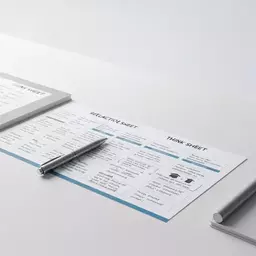
- Goal-Setting Templates: Easy-to-use worksheets that help students articulate their aspirations.
- Resource Lists: Local and online resources for academic support, mental health, and extracurricular activities.
- Visualization Tools: Materials to help students create vision boards or visualize their future effectively.
- Goal Tracking Charts: Simple charts that allow students to monitor their progress towards their objectives.
By equipping yourself with these tools, you’ll be ready to foster a supportive environment where students can thrive. It's also beneficial to customize your toolkit based on the unique needs of the students you serve, ensuring everyone feels included and valued.
What Should Be Included in Your Counselor Toolkit?
In addition to the general items mentioned, let’s delve deeper into the specifics of what makes a counselor toolkit effective. Here are a few critical elements you might consider:
- Assessment Tools: Tools for evaluating students' needs and strengths, such as personality assessments or learning style inventories.
- Interactive Activities: Engaging exercises that encourage self-reflection and personal growth.
- Digital Resources: Access to online platforms for workshops or goal-setting sessions.
These components are vital in creating a well-rounded approach to student development, enhancing both the counselor's effectiveness and the student's engagement. As you build your toolkit, think about the specific challenges your students face and tailor your resources accordingly!
Measuring Success: Progress Tracking and Follow-Up Tools
Tracking progress is critical in ensuring students remain on target with their goals. Implementing effective progress tracking and follow-up tools can make a significant difference. Here’s how you can measure success:
- Progress Journals: Encourage students to maintain a journal documenting their experiences, reflections, and milestones.
- Regular Check-Ins: Schedule consistent meetings to discuss progress and address challenges.
- Feedback Forms: Create forms for students to self-assess their growth and areas for improvement.
By incorporating these tools into your practice, you'll not only facilitate accountability but also build a sense of community and support among your students. They’ll appreciate the opportunity to share their journeys and celebrate their successes along the way!
Encouraging Student Engagement and Ownership
Engagement is key to fostering student success, and as a counselor, you play a pivotal role in cultivating that engagement. One way to promote ownership is through creative projects that encourage students to reflect on their aspirations. One such project is the One Word Project, which I find particularly impactful.
Facilitating the One Word Project for Personal Focus
The One Word Project involves having students choose a single word that encapsulates their focus for the year. This word serves as a guiding principle, helping them stay aligned with their goals. Here’s how to implement the project:
- Introduce the Concept: Explain the significance of having a central word and how it can influence their actions.
- Reflection Time: Give students time to brainstorm and reflect on words that resonate with them.
- Sharing Session: Create opportunities for students to share their chosen word and its meaning with their peers.
This project not only helps students focus but also fosters a sense of community as they support each other's journeys. I’ve seen amazing transformations when students embrace their chosen words!
Sharing Success Stories and Testimonials from Students
Sharing success stories is another powerful way to motivate students. Highlighting testimonials from peers who have set and achieved their goals can inspire others to take similar actions. Here are a few strategies to effectively share these stories:
- Newsletters: Feature success stories in school newsletters to celebrate student achievements.
- Social Media: Use school social media platforms to showcase student testimonials and their journey.
- Class Presentations: Organize presentations where students can share their experiences and insights.
When students see tangible examples of success, it fuels their motivation and reinforces the idea that they, too, can achieve their goals!
Workshop Activities That Foster Personal Development and Growth
Finally, conducting workshops can be an excellent way to engage students in personal development. Here are some activities I recommend incorporating into your workshops:
- Goal-Setting Workshops: Teach students how to create actionable goals using templates and vision boards.
- Mindfulness Sessions: Introduce techniques to help students manage stress and stay focused.
- Team-Building Exercises: Foster connections and collaboration among students through fun group activities.
These interactive workshops not only build students' skills but also create a supportive environment for growth and collaboration. I truly enjoy seeing students thrive when they are engaged and empowered!
Recap of Key Points
- Vision boards help students visualize their goals and aspirations effectively.
- Creating a vision board fosters motivation and clarifies both academic and personal goals.
- Visualization techniques, when combined with vision boards, enhance student success by boosting confidence and reducing anxiety.
- Aligning vision boards with the SMART criteria can help ensure that goals are specific, measurable, achievable, relevant, and time-bound.
- Incorporating elements of positive psychology, such as affirmations and reminders of past successes, can further motivate students.
- A well-equipped counselor toolkit is essential for guiding students and includes goal-setting templates, resource lists, and visualization tools.
- Regular progress tracking and follow-ups are crucial for keeping students accountable and engaged in their academic journey.
- Encouraging projects like the One Word Project can foster personal focus and community among students.
- Celebrating student success stories can inspire and motivate others to strive for their own goals.